
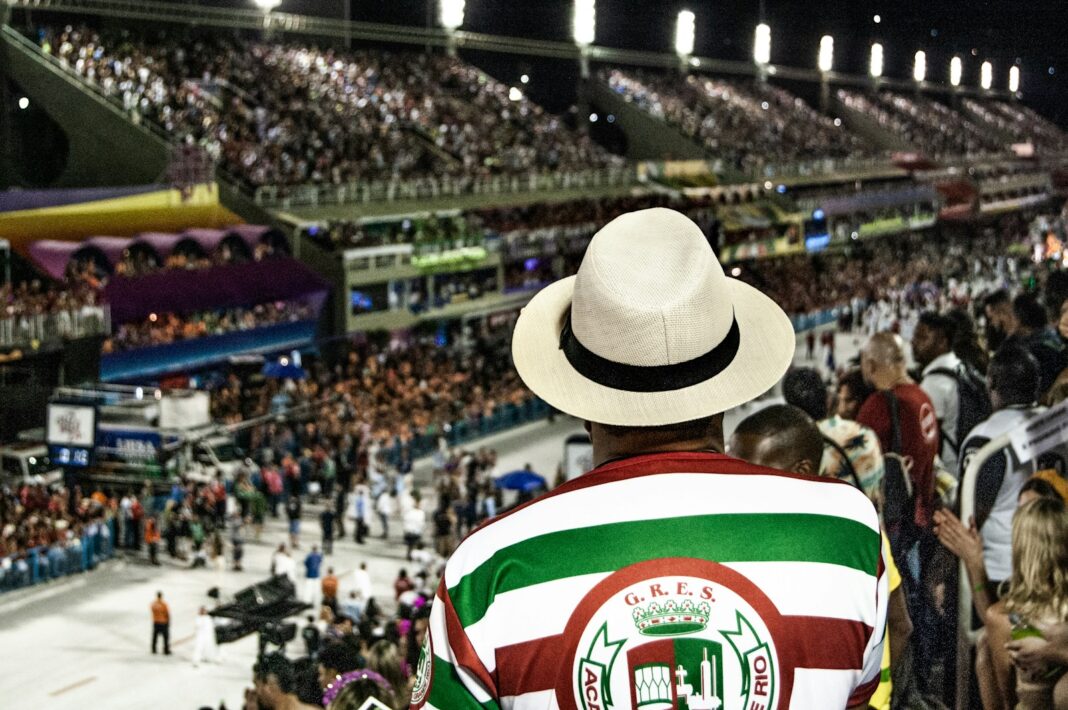
Brazil has once again erupted into color, rhythm, and movement as Carnival 2026 transformed streets, sambadromes, and beaches into stages of cultural expression. From the dazzling parades of Rio de Janeiro to the electrifying street parties of Salvador and São Paulo, this year’s celebration reaffirmed why Brazil’s Carnival remains one of the world’s most iconic festivals.
The Heart of the Spectacle: Rio de Janeiro
At the center of global attention stood the Sambadrome Marquês de Sapucaí, where elite samba schools competed in a breathtaking display of choreography, music, and artistic storytelling. Elaborate floats towered above dancers in meticulously designed costumes, blending Afro-Brazilian heritage, social commentary, and fantasy.
Each samba school presented a carefully crafted theme, often exploring historical narratives, environmental concerns, or tributes to influential cultural figures. Judges evaluated performances based on harmony, percussion, costume quality, and thematic coherence, turning Carnival into both a party and a high-level artistic competition.
The atmosphere extended far beyond the Sambadrome. Street blocos filled neighborhoods like Copacabana and Ipanema with live music, attracting millions of revelers — locals and tourists alike.
Salvador: The Pulse of Afro-Brazilian Culture
In Salvador, Carnival unfolded differently — less about grandstands and more about direct participation. Massive trio elétrico trucks carried artists through the city’s streets while crowds followed for hours, dancing to axé, samba-reggae, and pop.
Salvador’s Carnival highlighted Brazil’s deep Afro-Brazilian roots, with rhythms and performances that celebrated identity, resilience, and cultural pride. The city’s Pelourinho district became a vibrant crossroads of tradition and modern music.
São Paulo’s Growing Carnival Power
Though often overshadowed by Rio, São Paulo’s Carnival continues to expand in scale and prestige. Its Sambadrome at Anhembi hosted high-caliber samba school competitions, rivaling Rio in technical excellence and production value.
Street blocos in São Paulo also grew in popularity, reflecting a shift toward more accessible, community-driven celebrations.
Economic Impact and Tourism
Carnival is not only a cultural event but a major economic engine. Hotels reported high occupancy rates, airlines increased domestic flights, and local businesses benefited from a surge in consumer activity.
Tourism officials estimate that millions participated nationwide, generating billions in revenue. For many communities, especially those connected to samba schools and costume production, Carnival provides months of employment and creative work.
Culture, Identity, and Expression
Beyond the music and glitter, Carnival remains a powerful space for artistic freedom and social expression. This year’s parades included themes addressing racial equality, indigenous heritage, climate awareness, and national history.
The festival continues to evolve, balancing tradition with contemporary issues — proving that Carnival is not just entertainment but a reflection of Brazil itself.
As the final drums fade and costumes are carefully stored away, anticipation for next year already begins. Carnival 2026 once again demonstrated that Brazil’s most famous celebration is more than a festival — it is a living, breathing expression of joy, resilience, and collective identity.